
We need your support to keep the secularist going


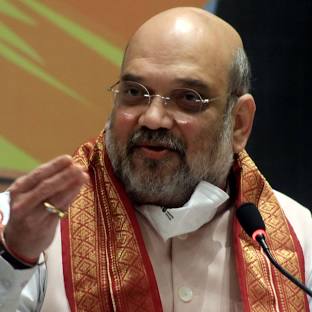
A fresh round of political controversy has erupted after senior figures aligned with Prime Minister Narendra Modi suggested that Indians should feel “ashamed” of speaking English. The comments, framed as a reclaiming of cultural pride, tap into a long-running attempt to position Hindi, and by extension a Hindu-majoritarian identity, at the centre of national life. But critics argue that this focus on language reveals less about national revival and more about a political strategy that sidelines India’s most urgent challenges.
English occupies an unusual space in India. It is a colonial inheritance, yet it has also become a bridge to economic mobility, global markets and higher education. In a country where access to quality schooling is far from equal, English often functions as a leveller, one of the few tools that can enable children from modest backgrounds to compete in a stratified job market. To cast the language as something shameful risks undermining the aspirations of millions.
The double standards are also hard to ignore. India’s political class overwhelmingly educates its own children in elite English-medium or international schools, even while publicly questioning the language’s legitimacy. The contradiction mirrors a pattern seen elsewhere. In Afghanistan, Taliban leaders have been widely reported to send their daughters abroad for schooling while enforcing some of the world’s harshest restrictions on girls’ education at home. The contexts differ profoundly, but the principle is the same: one narrative for the public, another reality for the powerful.
The danger of this linguistic debate is not merely its irony, but its timing. India is grappling with rising unemployment, declining learning outcomes, overstretched public healthcare, and deepening inequality. Shifting the national conversation toward cultural anxieties risks pushing these structural issues further from view.
Language can shape identity, but it cannot substitute for governance. India’s future will depend less on which language its citizens speak and more on whether political leaders choose to confront the problems that matter most.