
Forty-six days later, just when Nepal was trying to recover from the Bhotekoshi flash flood, which struck the Nepal–Tibet border regions, affecting Rasuwa and Nuwakot, another landslide-induced flood hit Chumnubri, Gorkha, on October 11, 2026. This latest disaster has added to the wounds of communities who live in the shadow of natural hazards, where uncertainty and fear are daily realities.
Read more: The day after the central Nepal flood
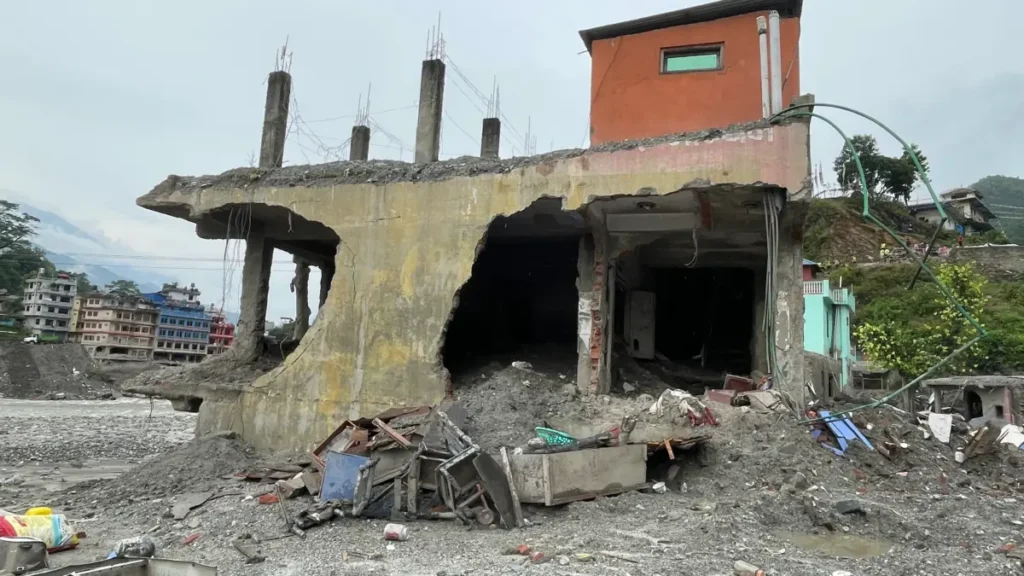
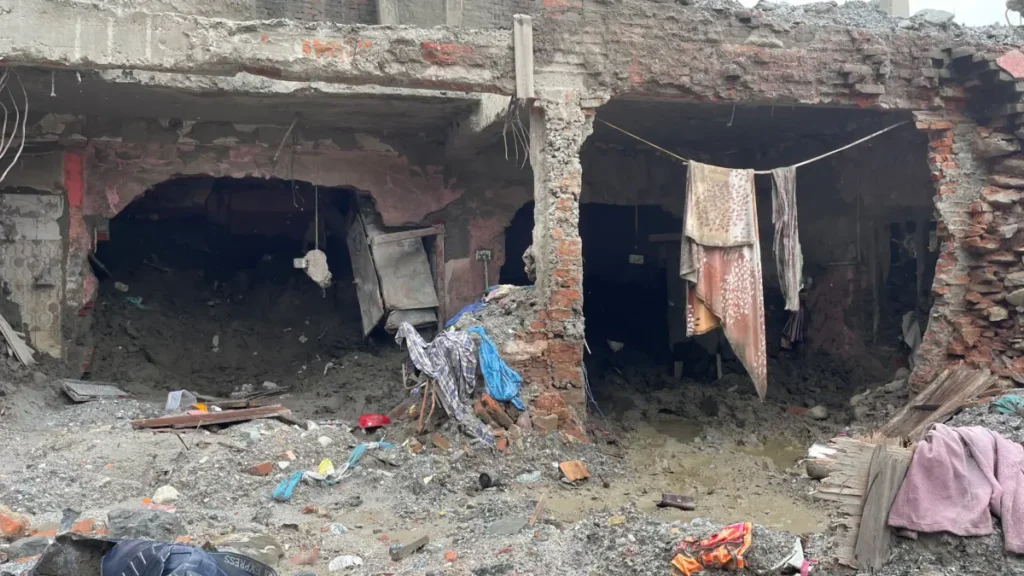
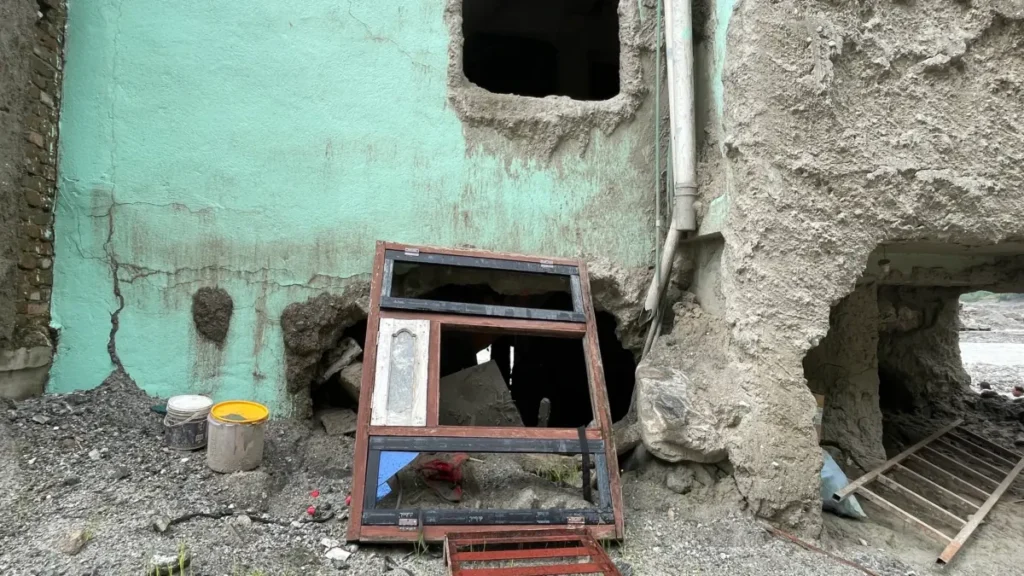
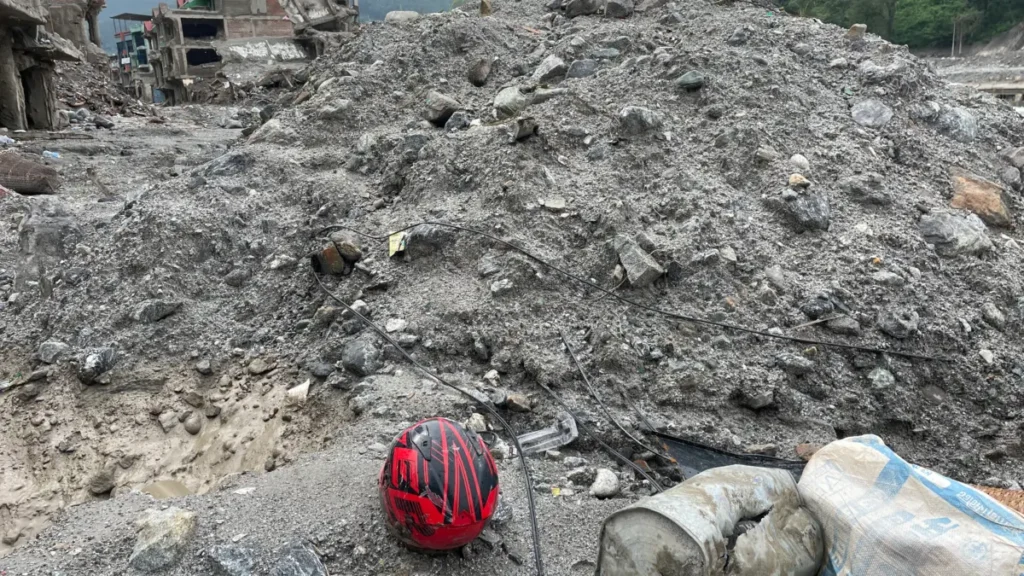
The climate-related disaster in Nuwakot has devastated a once-popular tourist landscape, destroying its natural beauty and economic opportunities, with settlements heartbreakingly reduced to rubble and vital infrastructure, including roads, bridges and hydro-power facilities, washed away. The full death toll remains officially unconfirmed.
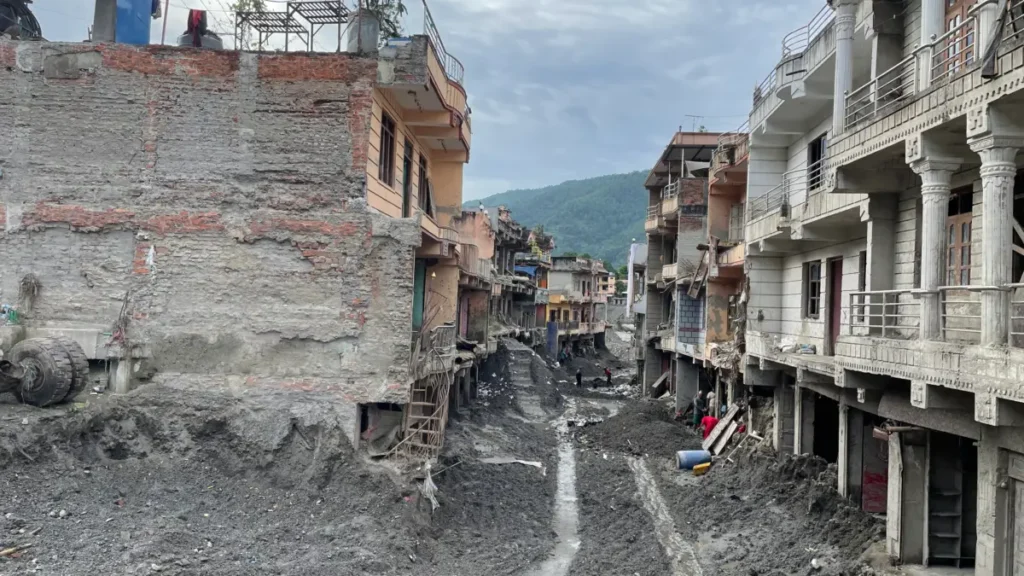
But an uncomfortable truth lies behind the devastation: The human cost of such disasters often goes ignored. Behind the statistics are stories of broken dreams, lost livelihoods, buried memories. There are families trying to stay alive without their loved ones, communities faced with an uncertain future, and countless people trying to make lives reconnect and rebuild from what little is left.
Read more: Nepal floods: Reporter’s diary, August 27, 2026
The task of rebuilding is huge. The damage is not only to homes, roads and bridges, but also to farms and local businesses. Kyodo News reports via AP that 7,500 homes were damaged or completely destroyed, with costs of recovery hitting USD 4.77 billion. The government has now moved from emergency relief to rehabilitation and reconstruction and has also acknowledged the risks posed by possible glacial outburst floods (GLOFs) and other hazards. The destruction of bridges and transport links has made surviving communities vulnerable and slowed reconstruction, exposing residents to further risk.

To this end, joint efforts are underway to rebuild damaged infrastructure and restore vital services. But pledged assistance is not the same as money that has actually been received and delivered to affected communities. Nepal’s Ministry of Finance’s foreign assistance tracker shows that Nepal has received USD 24.89 million in disaster relief funds. Such tracking can help bring transparency to the collection and distribution of aid. The Prime Minister’s Office separately reported that USD 50.47 million of assistance (cash, materials, and teams) had been pledged.
No formal update has been given on the implementation of longer-term reconstruction plans. Most of the aid is still going to meet immediate needs like medical aid, food, and temporary shelters, such as tents.
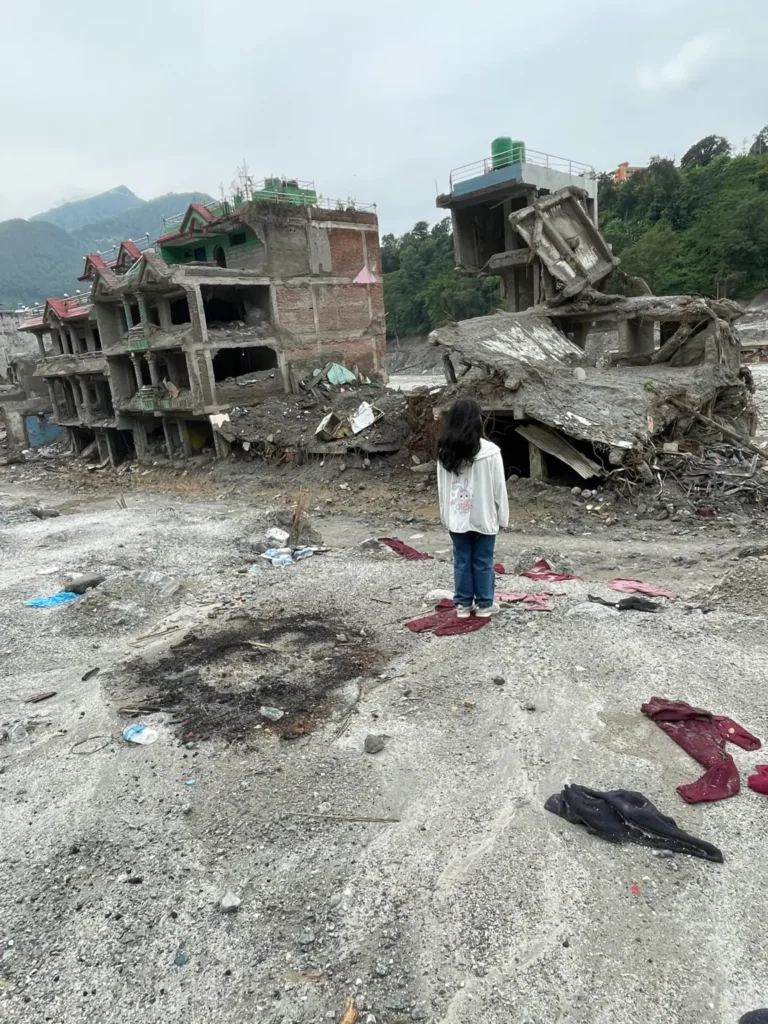
Many affected communities remain far from rebuilt infrastructure and restored livelihoods. India, China, the United States, and the United Arab Emirates (UAE) are providing assistance, and the Asian Development Bank and other international financial institutions have committed funds. Yet recovery is likely to progress unevenly. The challenge for affected communities is not just to rebuild what was lost but to restore livelihoods, public services and a sense of security in the face of recurring environmental hazards.
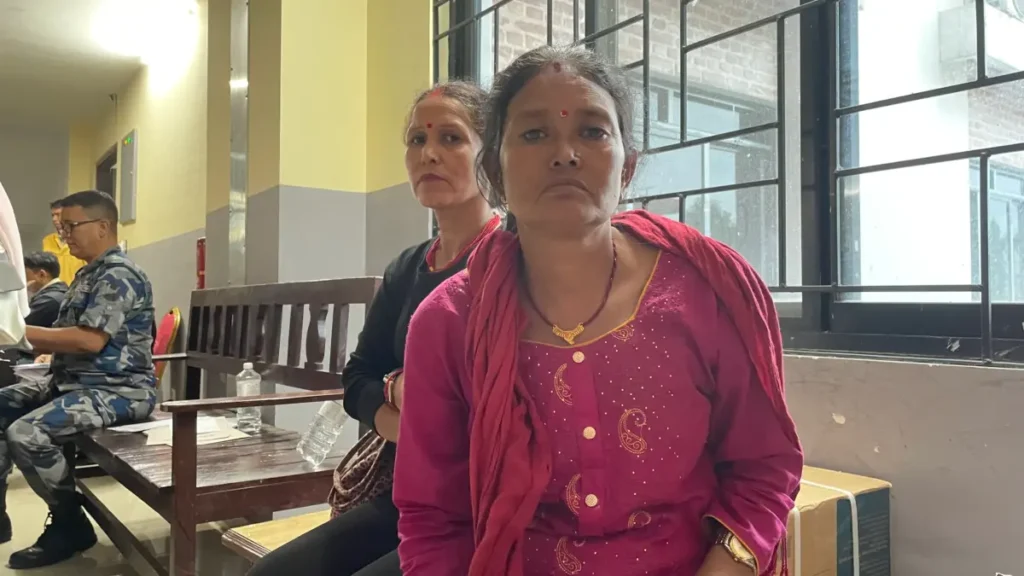
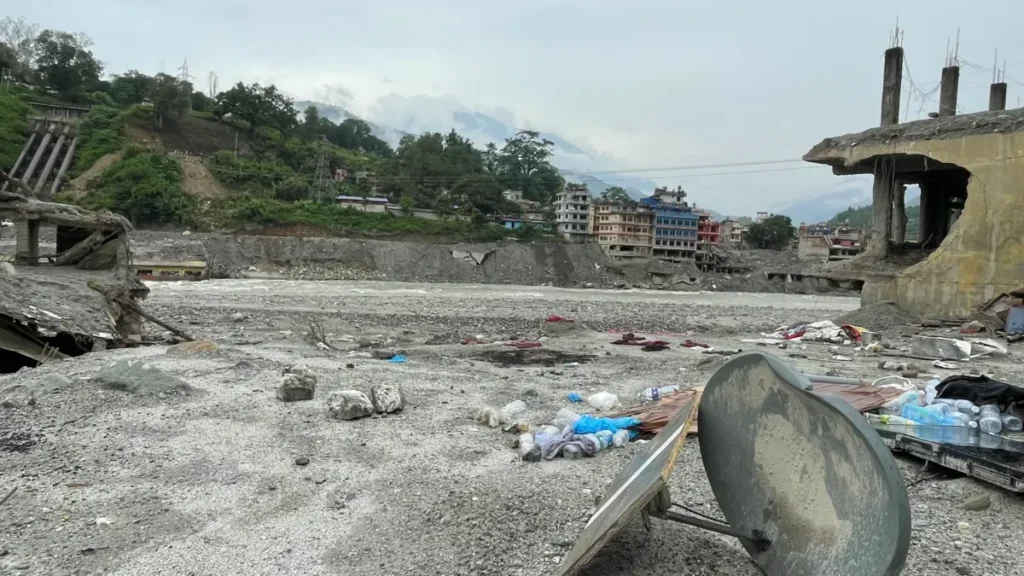
In the following photo essay, Global Voices highlights how Nepali citizens are still affected by the disaster. All photos were taken by Susmita Aryal in Bidur Municipality, Nuwakot District on October 7, 2026.

This article is republished from Global Voices under a Creative Commons license. Read the original article.

Susmita Aryal
Susmita Aryal is a journalist from Nepal who believes in the power of storytelling to inform, inspire, and influence. A published author of the book The Attempt, she brings depth to her work, drawing from her own experience of resilience. Currently an Ambassador for Climate Youth Resilience and an International Organization of Youth program, she is passionate about expanding youth potential to create meaningful change in every arena. Through her journalism and advocacy, she seeks to amplify underrepresented voices and contribute to meaningful global change.


