
Gen Z, people born between the late ’90s and early 2000s, have brought a distinct lingo, aesthetic, and brand of dissent to the political arena. Gen Z are the digital-native generation, many of whom still do not belong to a political party yet but they sure know how to call out bad governance – both online and offline.
It all started as a joke when the satirical Cockroach Janta Party (CJP) was formed out of angst when the Chief Justice of India called some unemployed youth “cockroaches” and “parasites”. But it carried the real anger of the youth. Soon we saw students peacefully protesting at Delhi’s Jantar Mantar, which gradually turned into a national youth movement demanding accountability for systemic failures in India’s education.
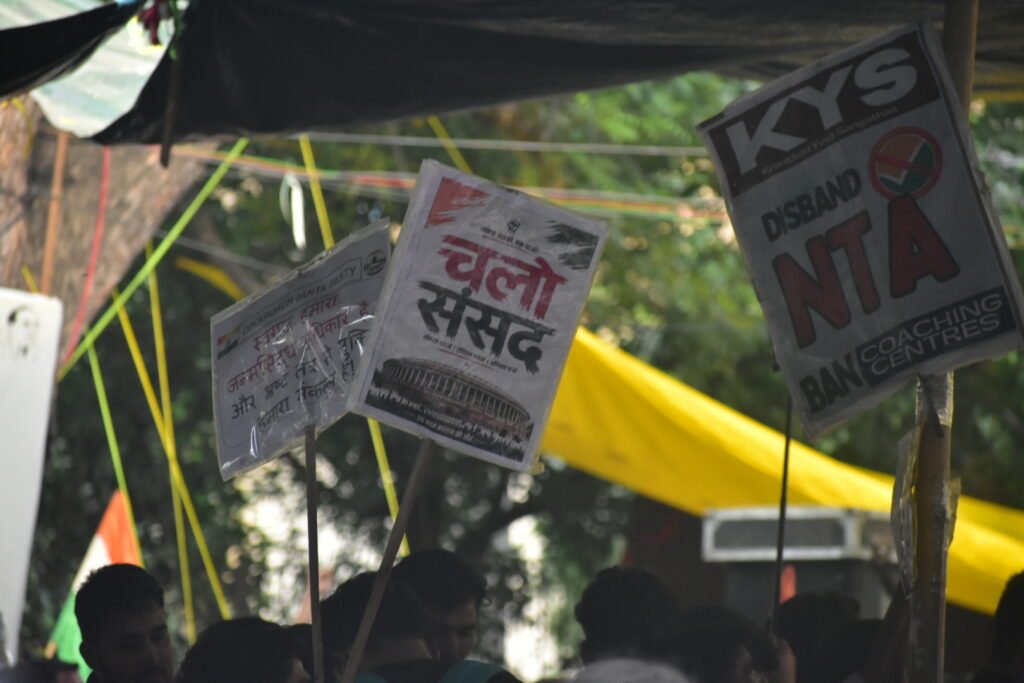
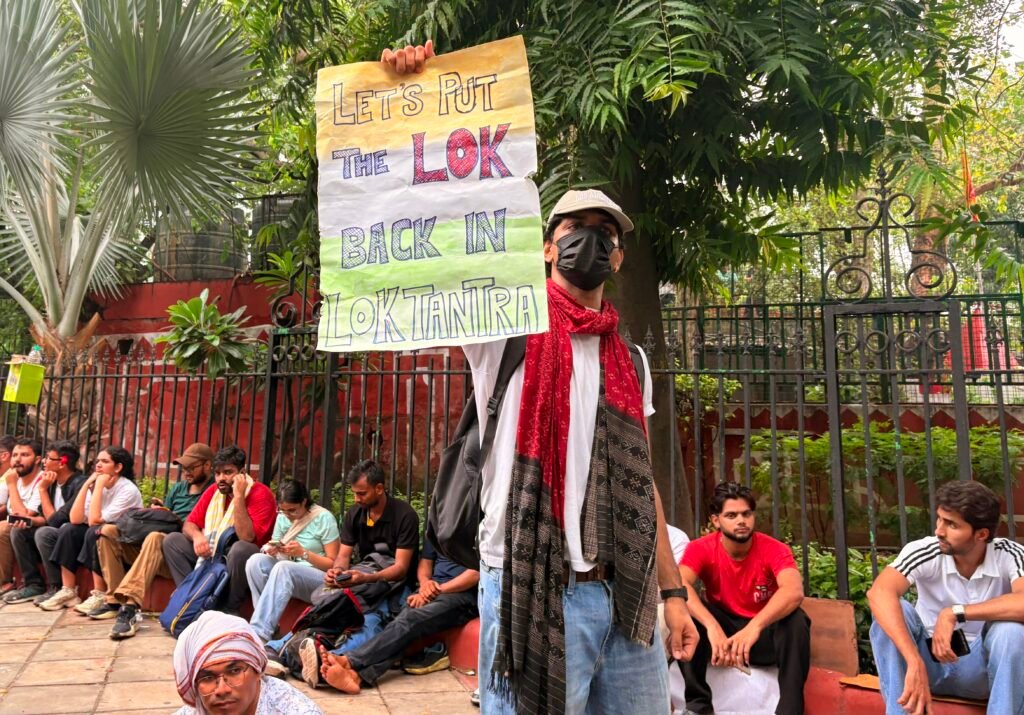
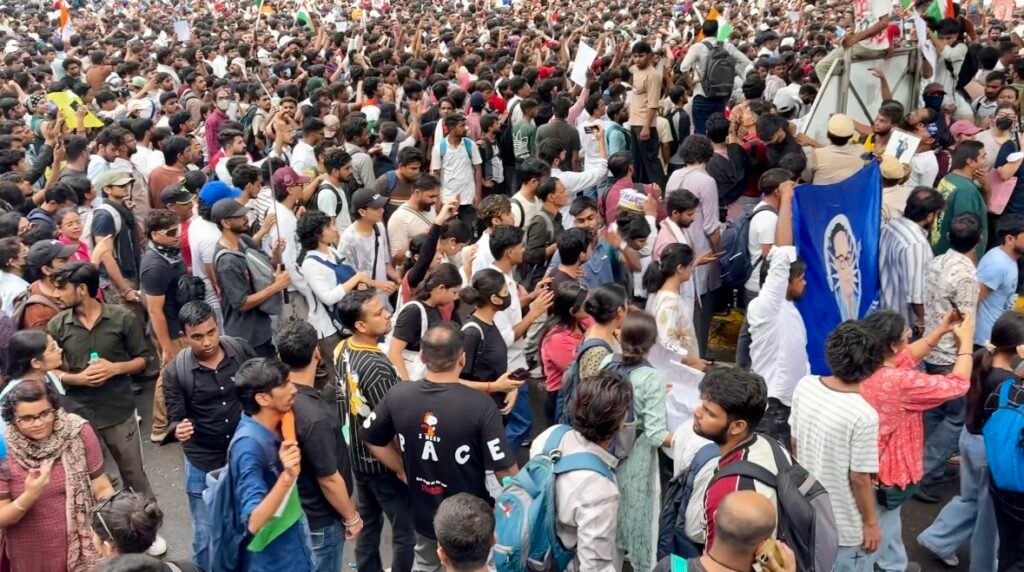
The protests brought together a wave of motivated students and young professionals, who staged massive demonstrations, holding hand-painted placards and ridiculous memes asking for very serious demands. They chanted slogans such as ‘Inquilab Zindabad’ (long live revolution), filmed each other, shared food and water, checked on strangers, made space for one another, and somehow managed to make a protest site feel like one huge community gathering – which it was.
The movement unfolded chaotically and beautifully, resembling coming-of-age cinema, as a generation found its collective voice. Having witnessed the protests and the Sansad Chalo March firsthand, here are my primary takeaways on how this generation is redefining political resistance.
Humour as a political weapon
Most protest movements rely on anger to keep people motivated. This movement relied just as much on laughter. Memes, jokes and savage placards became an integral part of the protest. Students poked fun at themselves and openly mocked those in power. The students used humour to their aid without letting it dilute the seriousness of their demands.
This “unserious generation” of students reminded everyone that resistance doesn’t always have to look grim. Sometimes it means making reels with police constables right after they charged the lathi (baton). For these youth, laughing in the face of power is itself an act of defiance.
Instagram replaces WhatsApp as the political battlefield
For years, India’s political messaging has been driven by WhatsApp. Entire political worldviews have been shaped by a steady stream of forwarded messages circulating through family and community groups. These protests, however, suggested that the centre of gravity is shifting. Gen Z is far less likely to engage with politics through WhatsApp forwards, instead consuming and sharing political content through Instagram Reels, Stories and short-form videos that spread rapidly through social media.
Instinctively and rapidly, Instagram became a raging political battlefield. Every march, every slogan and every creative placard was designed not only for the people present at the protest sites but also for the thousands watching online.
Even Prime Minister Narendra Modi was compelled to drop Instagram Reels at midnight during the height of the movement (which soon turned into a never-ending series of meme materials). It was a telling reminder that political leaders increasingly recognise where young voters are spending their time. Reflecting this shift, Modi has urged his ministers to increase their outreach on Instagram to connect with a younger audience.
Kindness was the catalyst of the protests
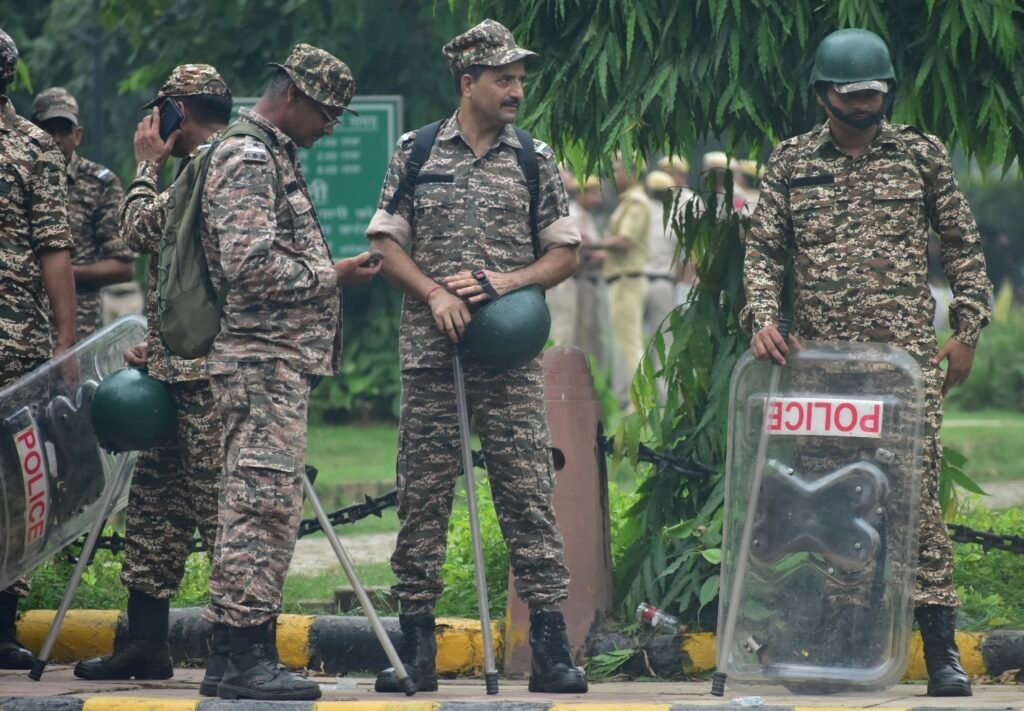
Perhaps the most heart-warming aspect of the protest was the compassion. Students offered food, water and even shade to fellow protesters and even to the police personnel standing in the scorching heat, humidity, and rain. There were moments when protesters were seen fanning officers who had, only hours earlier, participated in lathi charges against the very same crowd.
That kindness wasn’t naïve. It reflected a conscious, deeper understanding that institutions and individuals are not always the same thing. That there are genuine humans behind the garb of uniformed officers on duty. Protesters challenged authority without dehumanising the people carrying out orders.
The community showed up in extraordinary ways
Not everyone willing to participate in the protest could be there physically or spend day after day protesting in Delhi. Many millennials had jobs, families or financial responsibilities that kept them away. Instead of watching from the sidelines, the good samaritans found other interesting ways to contribute.
Those far away sent food through food-delivery apps to the protesters. Volunteers brought home-cooked meals, fruits, medicines, sanitary napkins and even protein powder for students surviving on little or no sleep. Lawyers offered free legal aid and doctors free medical aid at the sites. The compassionate youth even cleaned up the protest site after themselves.
It was a gentle reminder that movements are sustained not just by those on the front lines, but also by those quietly making sure people are fed, cared for and able to keep going.
Identity politics wasn’t the headline
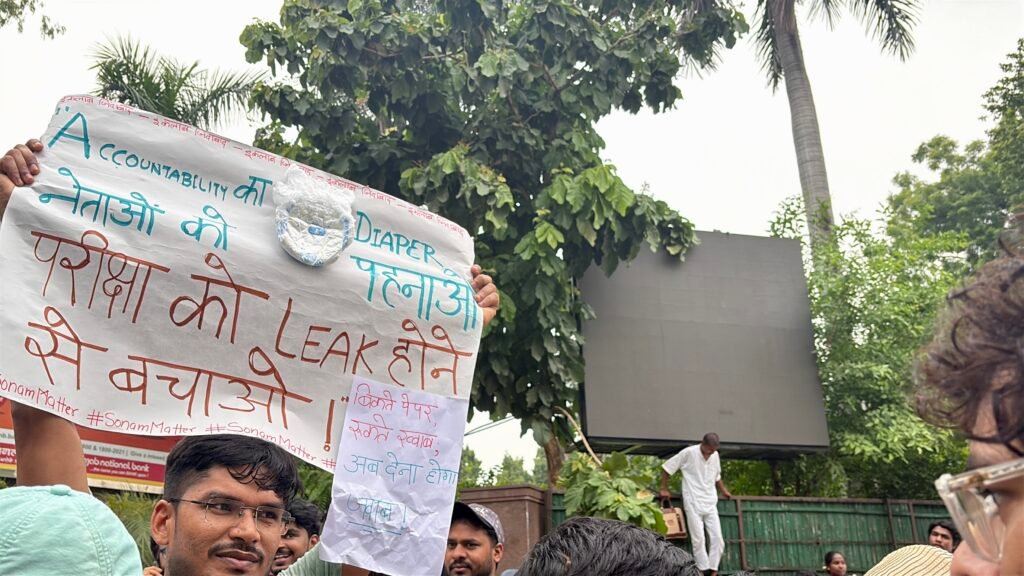
Indian public life often feels trapped in endless debates around religion, caste and community. At the protest site, those identities appeared to matter far less than shared frustration. Students from different backgrounds ate together, marched together and looked after one another without constantly asking who belonged to which community. There were trans activists, farmers, teachers, parents, ex-army personnel, and many more people from different walks of life, standing with the students shoulder to shoulder.
There were chants of unifying slogans – Jai Bhim and Vande Mataram, Bharat Mata ki Jai and Inquilab Zindabad – throughout the protests.
That doesn’t mean caste or religious inequalities suddenly disappeared. They remain deeply embedded in Indian society. But for a brief moment, a common sense of injustice united people across those divisions. It was refreshing to see a movement where the strongest shared identity was simply that of being young Indians on the streets demanding accountability from the daunting system.
Women felt unusually safe
When I was asked to cover the protest, my first thought was, ‘Would it be safe for me to go?’ I went still.
And yet, once I was there, packed among dozens of strangers, I felt safer than I ever expected to in such a large crowd. The very strangers I had worried about became the people looking out for me. I was not alone in feeling the same. Many women who attended expressed a genuine sense of safety amidst the strangers. Volunteers looked out for one another, strangers stepped in when help was needed, and women participated fearlessly throughout the protest, often spending long hours at the site.
Large public gatherings often come with an invisible checklist for women. Is it safe to stay after dark? Will there be harassment? Is there someone to walk back with? But this mega protest was an exception. That should be the norm everywhere, but it remains significant to acknowledge.
There was no single hero
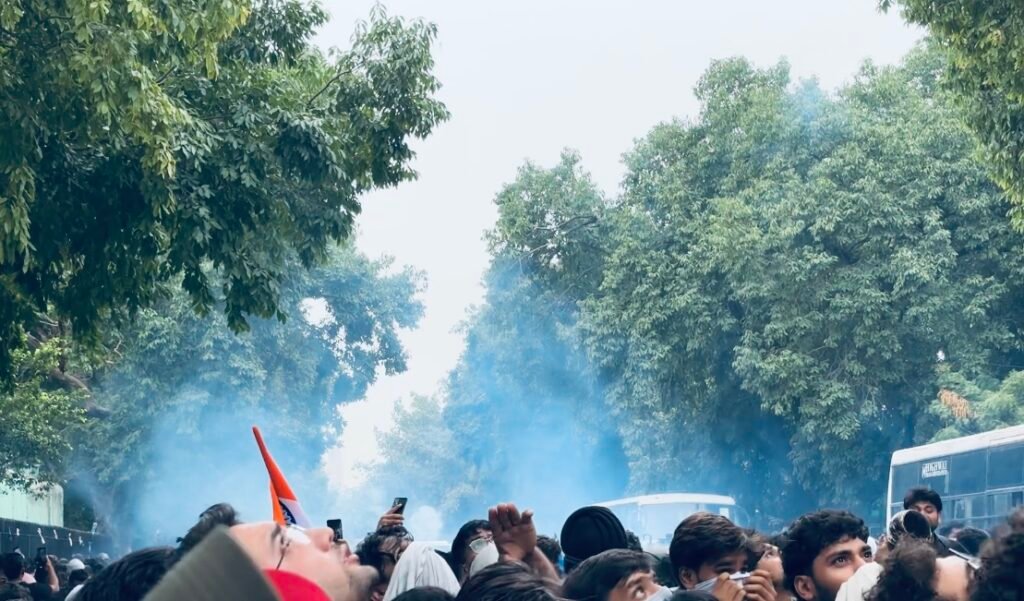
Unlike many mass movements built around one charismatic face, the Gen Z protests were largely decentralised. There were recognisable organisers and CJP spokespersons, but the movement soon developed into something bigger. The protest was carried through for over a month, depending on hundreds of volunteers taking ownership of different responsibilities.
Some coordinated food; others handled medical support, social media, logistics, legal aid and crowd management. Leadership was distributed rather than concentrated. That collaborative style reflected a distinctly Gen Z approach to organising: decentralised, diverse and driven more by collective ownership than rigid hierarchy.
For a generation constantly accused of having short attention spans and caring only about social media, they displayed remarkable discipline and persistence. They proved that when young people believe in a cause, they don’t just show up for a day or two; they stay.
Young people stopped waiting for mainstream media to tell their stories
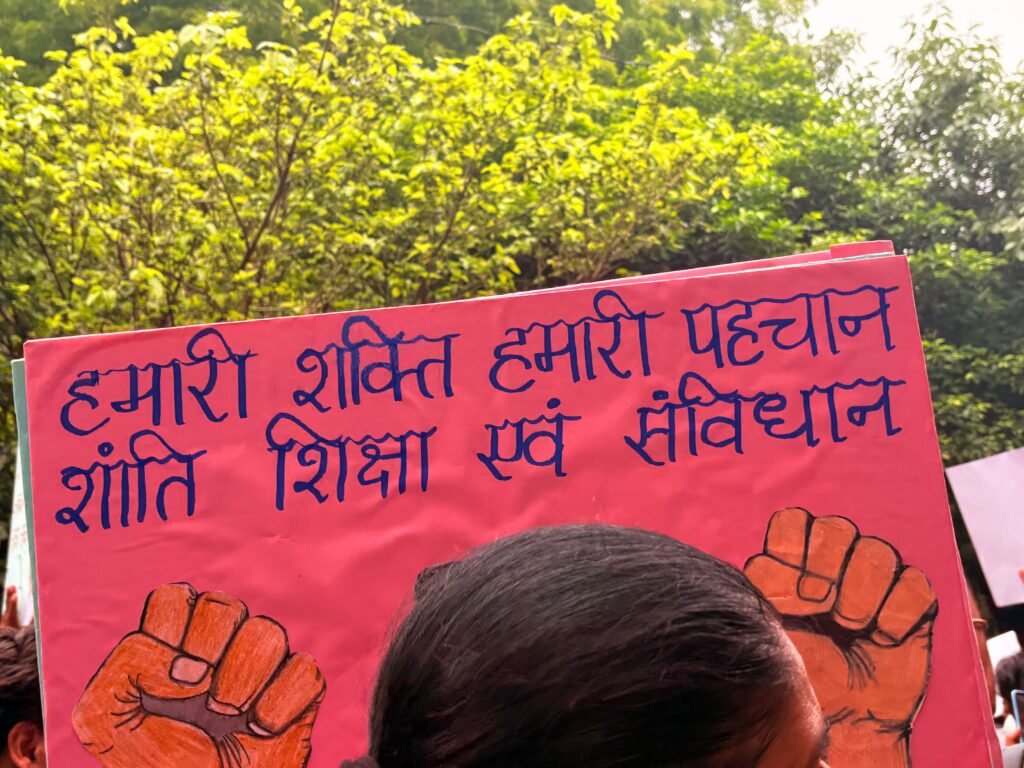
One of the most striking features of the Gen Z protest was how it was documented. Students didn’t expect television channels to tell their story. They livestreamed speeches, posted updates on Instagram, uploaded police action in real time and relied on independent journalists and citizen reporters to amplify what was happening. The movement built its own media ecosystem, allowing protesters to document events directly rather than depend entirely on traditional news organisations to decide what deserved attention.
This growing distrust is not confined to this one protest. It’s about a generation that increasingly sees mainstream media as being too close to those in power and too disconnected from issues affecting ordinary young Indians. Naturally, the youngsters started looking elsewhere to tell their side of the story.
That “elsewhere” is Instagram, YouTube, and independent digital newsrooms. In many ways, these protests posed as much a challenge to the traditional media as they did to the government. For India’s news industry, especially the TV broadcast media, it is a wake-up call. If traditional media no longer has a monopoly on telling the story, protesters no longer disappear from public view when television cameras turn elsewhere. Increasingly, they can become their own broadcasters.
The Cockroach Janta Party protest wasn’t simply about examination papers, education or one political moment. It was a glimpse into the future of Indian politics led by today’s youngsters. A generation that communicates through memes, organises itself through Instagram, crowdfunds its own movement, questions traditional media, builds solidarity across social divisions, and responds to hostility with kindness is beginning to find its political voice. At Jantar Mantar, shared grievances appeared for a time to eclipse many of the identities that so often dominate Indian politics. Politicians will have to learn its language, and the traditional media will have to earn its trust.
And the rest of us may have to stop dismissing Gen Z as lazy and chronically online and start recognising that being online may be precisely what has given this generation a new set of political tools.
This article is republished from The Secularist under a Creative Commons license. Read the original article.

Sucheta Chaurasia
Sucheta Chaurasia is a researcher and journalist with The Secularist. Previously, she has worked with print and digital news platforms in India and the UK, telling multimedia stories of human interests, community journalism, climate change, and socio-cultural politics.

